Challenging the Norms of Outdoor Culture in Nepal
Nepal is world-famous for trekking, not camping. Most locals hike, return home, and rarely sleep outside for fun. The culture doesn’t naturally support leisure camping. Still, we decided to sell hammocks here. That sounds odd, right? But it works.
A Market Hidden in Plain Sight
We saw a growing crowd—urban youths, backpackers, travelers, and social media explorers. They crave something fresh, something relaxing. Hammocks offered exactly that. They’re not just for camping. They’re for chilling at home, rooftop lounging, park relaxation, or lakeside vibes.
Hammocks Are More Than Camping Gear
People think hammocks are only for campers. That’s a myth. They’re perfect for:
-
Rooftops and terraces in city homes
-
Backyard setups during power cuts
-
Lakesides and hilltop cafés
-
Dorms and small apartments
Nepalis are slowly seeing hammocks as a lifestyle upgrade, not survival gear.
Social Media Made It Popular
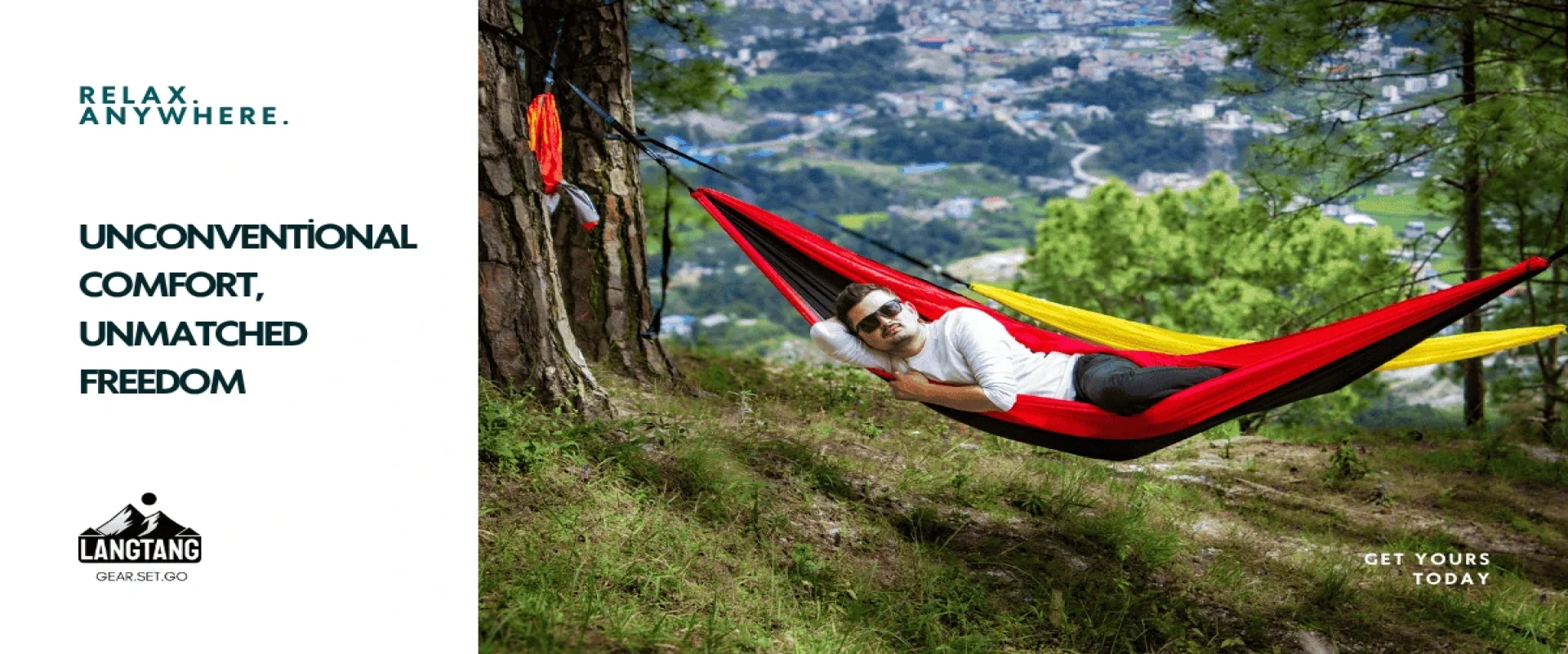
Instagram played a huge role. Aesthetic photos with hammocks hanging between trees, in the mountains, or on the beach started trending. Nepali youths saw these visuals and wanted the same. They began to imagine themselves in those relaxing scenes. We tapped into that.
Affordable, Compact, and Cool
Hammocks are affordable compared to tents or other gear. They're also light, foldable, and easy to carry. Many customers buy hammocks just for weekend trips or short outdoor breaks. Others use them indoors for naps or reading. That versatility creates demand.
Education Was the First Step
In the beginning, We had to explain everything. What a hammock is. How to hang it. Where to use it. People asked questions like:
“Is it safe?”
“Will I fall?”
“Do I need trees?”
We created guides, made videos, posted tutorials. We helped them see possibilities. Slowly, curiosity turned into conversions.
Tourists Became My Early Adopters
Foreigners traveling Nepal loved hammocks. They already used them back home. Many bought hammocks as souvenirs or to use while trekking. Locals saw them using it, asked questions, and the idea spread naturally.
Seasonal Sales and Strategic Promotions
We didn’t expect sales every month. We focused on seasonal demand. Spring and autumn worked best. Festivals, public holidays, and trekking seasons increased sales. I used limited-time offers, bundle deals, and referral discounts. These techniques kept momentum going.
Nepali Youth Love Trends
Gen Z and millennials in Nepal are more open-minded. They follow trends. They’re inspired by the West, but also want something local and meaningful. Hammocks gave them that. We just made hammocks seem both trendy and useful. That positioning clicked.
Not Just Selling, Creating a Culture
Selling hammocks wasn’t just business. It was about planting an idea. An idea that Nepal can relax more. That camping doesn’t always need tents. That you can just chill between two trees. Today, more people post hammock stories online. Some even plan group hammock camps.
Final Thoughts: Why We’ll Keep Going
Most Nepalis don’t camp. That’s true. But many are starting to. And many others just want a better way to relax. We sell hammocks because they bridge both gaps—adventure and comfort. Even if the culture isn’t ready yet, We are.
Nepal may not be a hammock country yet, but it’s getting there. One chill at a time.